
Questions to Ask a Roofer Before Hiring for a Project
Choosing the right roofer for your project is crucial to ensure quality work and long-lasting results. Hiring a qualified roofer requires more than a quick online search; it involves careful evaluation and thoughtful questions. To make an informed decision, it's essential to ask the right questions before signing a contract with any roofer. By doing so, you can safeguard your investment and avoid potential pitfalls associated with shoddy work. Let's explore the comprehensive guide to effectively vetting your roofer before commencing any project.
Verify Credentials
Ask for License Number
One of the first steps in hiring a roofer is to verify their credentials, starting with asking for their license number. This not only establishes their legitimacy but is also critical in states where licensing is mandatory. If a roofer is hesitant or unwilling to provide this information, it could be a red flag regarding their professionalism or compliance with industry standards. Furthermore, a valid license indicates that the contractor has met necessary state requirements, which often include coursework, exams, and continued education. Thus, confirming that your roofer holds a current license can potentially prevent legal complications or subpar construction quality.
Inquire About Training and Education
It is important to inquire about the training and continuing education a roofer has received. The roofing industry evolves rapidly, with new materials and techniques regularly introduced to enhance efficiency and longevity. A dedicated roofer who invests in professional development is more likely to deliver advanced solutions and apply current best practices. By understanding a roofer’s educational background, you can better assess their capability in managing the complexities of modern roofing projects.
Ensure Insurance Coverage
Insurance is a non-negotiable factor when hiring a roofer. Comprehensive coverage protects you from unforeseen incidents like worker injuries or property damage during the project. Without proper insurance, homeowners could be held liable for accidents that occur on their property. Before starting any work, request proof that the roofer carries general liability and workers’ compensation insurance. This added layer of security can save you from financial burdens and legal hassles down the line.
Investigate Experience and Track Record
Years in Business
The longevity of a roofer’s business can be a strong indicator of reliability and skill. According to a poll done by This Old House, over the past three years, nearly 31% of homeowners have pursued roof renovation, repair, or maintenance projects. With so many property owners investing in roofing work, choosing an experienced roofer becomes even more important. A roofer who has served the community for many years has likely refined their processes and built a reputation for quality craftsmanship. Experience not only develops technical ability but also prepares a roofer to handle unexpected complications efficiently. While newer companies can still be qualified, evaluating the history and stability of a roofer helps reduce uncertainty.
Specialization in Roofing Types
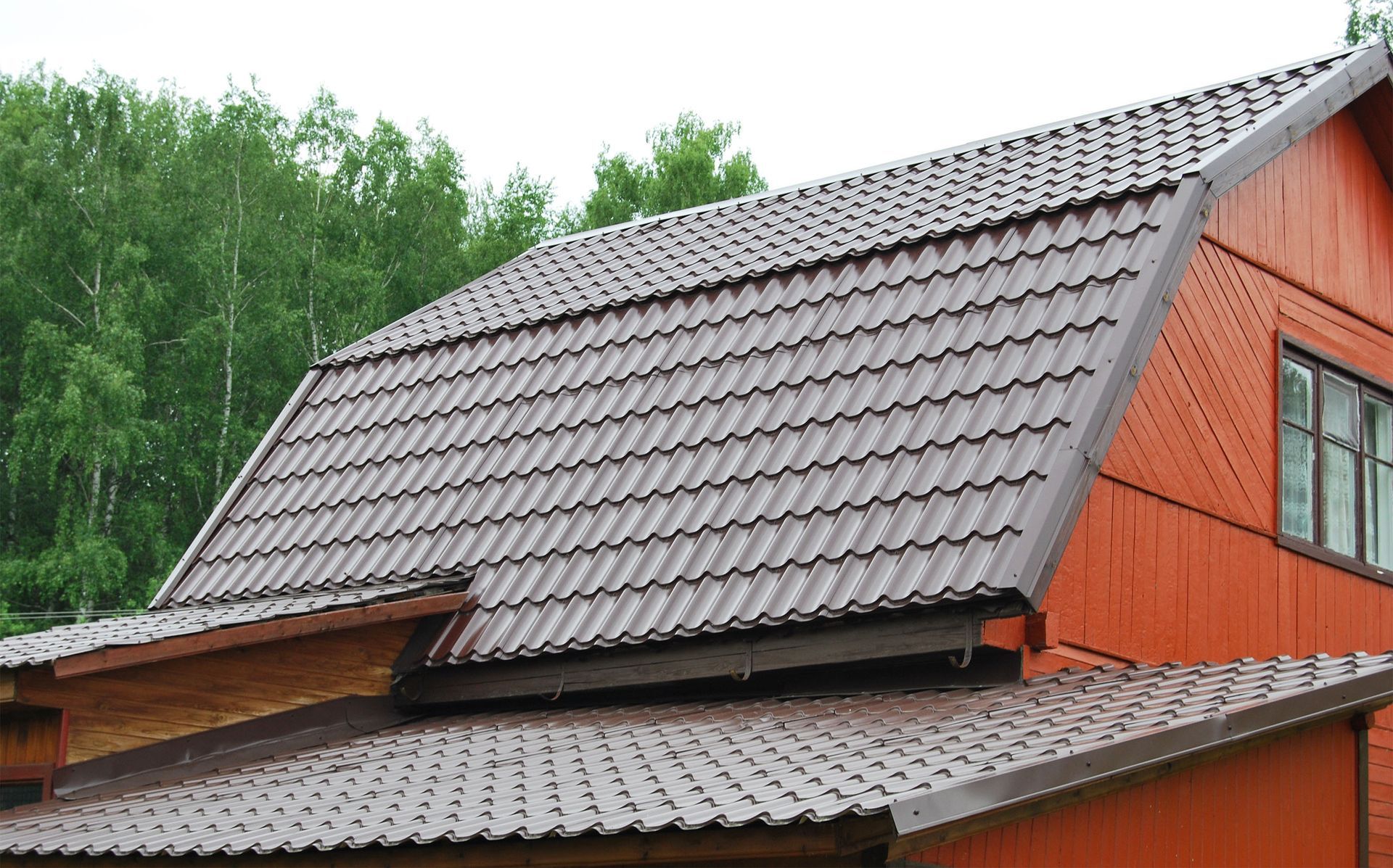
Roofing projects can vary greatly in materials and techniques required. Some roofers specialize in asphalt shingles, while others focus on metal, tile, or flat roofing systems. Choosing a roofer with experience in your specific roofing type increases the likelihood of a successful outcome. Specialized expertise often translates to improved installation methods and a longer-lasting roof.
Scope of Past Projects
Investigate the scope and diversity of past projects completed by the roofer. Reviewing completed jobs similar to yours provides reassurance that the roofer can manage your project’s size and complexity. A roofer with a diverse portfolio demonstrates adaptability and competence across various roofing styles and property types. This is especially important for unique or custom roofing designs.
Client References
Requesting client references allows you to speak directly with homeowners who have previously hired the roofer. These conversations can reveal important insights into punctuality, professionalism, and overall satisfaction. Reliable feedback from former clients helps confirm whether the roofer consistently delivers quality workmanship and honors agreed timelines and budgets.
Past Project Portfolios
Exploring a roofer’s portfolio provides visual confirmation of their craftsmanship. A well-documented portfolio showcases attention to detail, aesthetic quality, and project diversity. Reviewing images and case studies helps align your expectations with the roofer’s demonstrated capabilities.
Understand Costs and Payment Terms
Request a Detailed Estimate
Receiving a detailed estimate from a roofer is foundational for understanding your project’s financial scope. The estimate should itemize materials, labor, permits, and potential contingencies. Comparing estimates from more than one roofer can highlight discrepancies and prompt valuable discussions about value and scope. Transparency in pricing fosters trust and accountability.
Ask About Payment Schedule
Clarifying the payment schedule with your roofer helps prevent misunderstandings. A professional roofer typically requests a reasonable deposit followed by structured progress payments and a final balance upon completion. Avoid contractors who demand excessive upfront payments, as this can increase financial risk.
Clarify Contingency Costs
Contingency costs may arise due to hidden damage or structural issues discovered during the project. An experienced roofer will explain how such situations are handled and how additional costs are communicated. Clear planning for contingencies reduces stress and keeps your project on track.
Inquire About Discounts
Some roofers offer seasonal promotions or material discounts. While pricing should never outweigh quality, discussing available savings with your roofer can improve affordability. Make sure any discount terms are documented in writing.
Check for Financing Options
If your roofing project represents a significant expense, ask whether the roofer provides financing options. Flexible payment solutions can make large projects more manageable. Review interest rates and terms carefully before committing to any financing agreement.
Assess Communication and Project Management
Identify Main Point of Contact
Effective communication with your roofer is essential for a smooth experience. Identify who will serve as your primary contact throughout the project. A clearly designated contact person improves accountability and keeps information flowing efficiently.
Determine Communication Methods
Discuss preferred communication methods with your roofer, whether by phone, email, or in-person meetings. Establishing expectations early minimizes confusion and supports efficient decision-making as the project progresses.
Inquire About Project Duration
Understanding the estimated timeline helps you plan accordingly. A professional roofer should provide realistic timeframes based on scope, weather conditions, and material availability. Transparent scheduling demonstrates organization and reliability.
Ask About Problem Resolution
Even with thorough planning, issues may arise. Ask the roofer how disputes or installation concerns are handled. A structured resolution process reflects professionalism and commitment to customer satisfaction.
Look for Scheduling Flexibility
Weather delays and supply challenges can affect roofing schedules. A flexible roofer can adjust timelines while maintaining quality standards. This adaptability reduces disruptions and keeps the project aligned with your needs.
Review Safety Practices and Protocols
Inquire About Safety Training
Safety should always be a priority. Ask the roofer about crew training programs and compliance with safety regulations. Ongoing training demonstrates responsibility and risk awareness.
Ask About Safety Equipment
Proper safety equipment protects both workers and your property. A responsible roofer invests in harnesses, helmets, and protective gear to minimize accidents.
Review Accident Response Plan
An established accident response plan shows preparedness. Discuss how the roofer handles emergencies and protects homeowners from liability.
Discuss Site Cleanliness Procedures
Maintaining a clean job site reflects professionalism. Ask how the roofer manages debris removal and final cleanup to protect your landscaping and property.
Examine Compliance with Regulations
Compliance with local building codes and safety regulations is essential. Confirm that your roofer adheres to all applicable standards to avoid penalties and structural issues.
By asking these comprehensive questions, you will be better prepared to select a qualified roofer who meets your expectations. Taking time to thoroughly evaluate each roofer before hiring can lead to a smoother project, stronger protection for your home, and durable results that stand the test of time. Looking for a roofer in your area? Contact Elieff Brothers Roofing today.


Share On: